Please answer in a 500 word essay one of the two following selections. Bring your typed and neatly printed and stapled answer to the reception desk at Barnard Observatory NO LATER than NOON, Thursday, May 7.
1. In Lee Smith's novel The Devil's Dream, the family
history of the Bailey-Malone clan charts twin developments:
the rise of country music and the shift from a traditional
culture characterized by isolation and authenticity to a
modern mass society marked by interconnectedness,
commercialism, and change. Discuss, citing specific
characters and scenes from the novel.
2. Discuss the influence of the natural environment,
religion, and technology on musical history as seen in "The
Appalachians" and Lee Smith's The Devil's Dream. Be sure to
cite specific characters and scenes from the novel in your
essay.
Friday, May 1, 2009

Monday, April 27, 2009
Food and Place in the Mountain South
Our readings for today collectively draw lines between place, food, tradition, and the environment. You will find a few images in this post that should help fill out the story.
Mountain Laurel near Blacksburg, Virginia
Looking toward the valley, Mt. Tabor Road, outside of Blacksburg, Virginia
Traditionally-built log cabin near Blacksburg, Virginia
For what it is worth, the Southern Foodways Alliance's 9th annual summer field trip will head to the mountains of West Virginia/Virginia/Tennessee to explore the contemporary and traditional foodways of that region. Look here for more information!

Here is some more information about ramps and morel mushrooms. In fact you can even become a member of a morel mushroom fan group on Facebook!

Barnstable Stoves of Barnstable, Massachusetts you can buy a genuine, restored antique stove like the ones mentioned in the articles. Yet there is also a market for wood-burning turn-of-the-century reproduction stoves. Be prepared to pay top dollar for one of these models! In fact, the market for antique and reproduction stoves that burn coal, wood, or gas is quite extensive today. This is partly because of nostalgia, but also because of their heating properties. Why do you suppose this would be the case today?
Lastly, mountain top removal, a form of strip mining, has received increased scrutiny in recent years for being an environmental hazzard.

 |
| From Drop Box |
Mountain Laurel near Blacksburg, Virginia
 |
| From Drop Box |
Looking toward the valley, Mt. Tabor Road, outside of Blacksburg, Virginia
 |
| From Drop Box |
Traditionally-built log cabin near Blacksburg, Virginia
For what it is worth, the Southern Foodways Alliance's 9th annual summer field trip will head to the mountains of West Virginia/Virginia/Tennessee to explore the contemporary and traditional foodways of that region. Look here for more information!

Here is some more information about ramps and morel mushrooms. In fact you can even become a member of a morel mushroom fan group on Facebook!

Ramps growing in the wild!
Barnstable Stoves of Barnstable, Massachusetts you can buy a genuine, restored antique stove like the ones mentioned in the articles. Yet there is also a market for wood-burning turn-of-the-century reproduction stoves. Be prepared to pay top dollar for one of these models! In fact, the market for antique and reproduction stoves that burn coal, wood, or gas is quite extensive today. This is partly because of nostalgia, but also because of their heating properties. Why do you suppose this would be the case today?
Lastly, mountain top removal, a form of strip mining, has received increased scrutiny in recent years for being an environmental hazzard.

Mountain Top Removal in Progress
Thursday, April 23, 2009
Final Exam News
Our final exam will be like our last two, and non-cumulative. It will focus on the Mountain South. The in-class portion will be on the 30th of April, on our last day of class. The take-home essays will be due by 9:30 AM on May 7 and may be dropped off any time before then in a drop box placed at the reception desk in Barnard Observatory
Down in the Old Belt
Today we will watch a friend of mine's documentary titled "Down in the Old Belt." It is about the tobacco buyout of the 1990s and early 2000s and its repercussions in modern southern (and American) agriculture. We will spend a little time after the film in discussion.
More information about the video can be found here.
More information about the video can be found here.
Tuesday, April 21, 2009
Corey Smith - If That's Country
Not to be confused with David Allen Coe's song by a very similar title, here is Corey Smith's "If That's Country," which speaks to some of the commodification going on in country music today, much like Lee Smith describes going on with some of her characters in the Devil's Dream. Enjoy!
Wednesday, April 15, 2009
And the winners are...
I am pleased to announce the photo essays that have earned the esteem of their peers. The top five photo essays, as ranked by you, emerged in surprisingly clear-cut fashion. Each had a high total of points on questions 1 to 4 and all had numerous recommendations for "best blog."
The following photo essays will receive five bonus points to their overall grade for the course:
1.) Emily Boyd & Erin Stuart
2.) Sally White & Neal Ann Parker
3.) Clint Reed
4.) Caroline Angle
5.) John Thomas
There were also photo essays that did not fare as well in the peer review process, but struck me as exhibiting either high levels of originality and effort or considerable reflection upon the course themes. For this reason, I have listed these three photo essays as "Instructor's Picks" and will award 2 1/2 extra points to the overall course grade:
1.) Bridgette Turner
2.) Erica Harvey & Caroline Simpson
3.) Ruth Ann Cooper & Cadley Burns
These 8 individuals/teams will need to be prepared to share their work with the class tomorrow, Thursday, April 16.
Congratulations!
Thursday, April 9, 2009


Sunday, April 5, 2009
List of Photo Essays for Peer Review
If you do not see your name here, I never got your photo essay.
Instructions:
Find your name on this list. The essays that you must review are the next five on the list. Those at the bottom of the list should loop back to #1, etc.
You will review them by going to the photo essay url listed, viewing the photographs, reading the essays, and filling out the online form for each essay. EVEN IF YOU DID YOUR PHOTO ESSAY AS A TEAM, YOU NEED TO EACH FILL OUT YOUR OWN PEER REVIEW FORMS FOR THE NEXT FIVE ESSAYS. When you hit "submit" on the form, the data will go into a spreadsheet, and I am the only one with access to it. Even though you put your name on it, the person or team being reviewed will not see your name, and won't be able to within a minimum of 1 in 5 know who gave what rating to their blog, so this gives you some but not complete anonymity.
I encourage you to be respectful and fair, but also discerning.
Your peer reviews are due by FRIDAY.
- Savannah Rishel http://www.southernstudiesphotoblog.blogspot.com/
- Kelcy Puls http://pulspictures.blogspot.com/
- Shannon Byrne http://byrnephotoblog.blogspot.com/
- Matt & Mark Smith http://photoessaymattmarksmith.blogspot.com/
- Peyton Wofford http://peacetimepey.blogspot.com/
- Maggie Agnew http://maggieagnew-ss.blogspot.com/
- Nathaniel Wallace http://nswsst102.blogspot.com/
- Kristian King http://ksking123.blogspot.com/
- Sophie Waites http://www.sophiesst.blogspot.com/
- Juby Taylor http://www.jubywynne.blogspot.com/
- Kaycee Rutland http://kaycee812.blogspot.com/
- Henry Land & Kristinia Mackey http://www.henryandkristina.blogspot.com/
- Erin Parsons http://www.sstphotosparsons.blogspot.com/
- Graham Doty & August Schafly http://www.jgdandahs.blogspot.com/
- Clint Reed http://sst102photoessay.blogspot.com/
- Will Murray & William Denney http://merigoldculture.blogspot.com/
- Layne Crader & Laura Burris http://www.craderburris.blogspot.com/
- Jack Sample http://jackkiddsst102photos.blogspot.com/
- Emily Boyd & Erin Stewart http://www.emilyanderin.blogspot.com/
- Erica Harvey & Caroline Simpson http://carolineandericasphotoessay.blogspot.com/
- Bridget Turner http://troutasasouthernresource.blogspot.com/
- Caroline Angle http://ccanglesst102.blogspot.com/
- Candace Warren & Rachel Corley http://candaceandrachel.blogspot.com/
- Ruth Cooper & Cadley Burns http://snapshotsofdixie.blogspot.com/
- George Henry http://gfhenry.blogspot.com/
- Austin McAfee http://austinssouthernblog.blogspot.com/
- Molly Dyal http://dyalphotoblog.blogspot.com/
- Jeni Short http://jenishortphotoessay.blogspot.com/
- Tricia Joyce http://triciajoycephotoessay.blogspot.com/
- Hannah Payne & Cody Savage http://paynesavagephotoessay.blogspot.com/
- Will Kirkpatrick http://willsouthernstudies.blogspot.com/
- Joey Levet http://olemissphotos985.blogspot.com/
- Thomas Gilliam http://www.warriorpossum.blogspot.com/
- Sierra Brown http://sstphotoessay.blogspot.com/
- Marguerite Bottorff http://www.mbkitchenworks.blogspot.com/
- John Thomas http://johnthomas102.blogspot.com/
- Meaghan Gandy & Ashleigh Means http://gandymeans.blogspot.com/
- Grant Byers http://yankeephotoessay.blogspot.com/
- Anna McGowan http://annamcgowanphotoessay.blogspot.com/
- Adam Taylor http://adamtaylors.blogspot.com/
- Sally White & Neal Ann Parker http://nealannandsallyphoto.blogspot.com/
- Virginia de la Verne http://sthstudiesphtessay.blogspot.com/
- Anna Welty http://akwsstphotoessay.blogspot.com/
Thursday, April 2, 2009
Form for Peer Review of Photo Essays
Here is the link for the form you need to use to complete the the photo essay peer review. Only review the five blogs that you received in your email from Dr. Nystrom.
Monday, March 30, 2009
Take-home essay questions - Test 2
This is the take-home portion of your exam. It is worth 40% of your test grade. Please answer ONE of the following questions in a 500 word-length essay. The best answers will not only reflect a careful consideration of the material, but use specific examples from the readings, videos, and other class material to bolster your point. While we will primarily grade for content, essays that are rife with careless typographical errors or are otherwise difficult to understand because of problematic writing will lose points.
You should print (with a new ink or toner cartridge) your essay and bring it with you to class. We will not accept e-mail submissions or hand-written essays. We will not accept any essays after our exam period. You are encouraged to print your essay the night before and have it ready to bring to class.
Some tips: A 500 word essay is relatively short. Do not waste time on an extended introductory paragraph or a grand conclusion. Get to your point quickly. Avoid repetition.
Essay options: (Please identify which question you are answering on your essay.)
1.) In almost everything we have read, watched, and discussed, we have observed individuals who try to make the most of the situation at hand. To this end they create something, be it an art, a type of food, or perhaps even an industry, based on the knowledge of life in the Delta and an understanding of its limitations and possibilities. In your essay, explore at least three unique ways in which individuals responded to the environment in the Delta and created something new based on the possibilities and limitations set before them.
2.) In many respects, extremes characterize both the culture and environment of the Delta - making it an "all or nothing" kind of place. Explore in your essay the ways in which the environment in the Delta has fostered the development of extreme opposites such as rich and poor, success and failure, big and small, life and death etc.
Sunday, March 22, 2009
Catfish and the Delta
As you read Richard Schweid's book, you will notice that the world he describes is both familiar and unfamiliar to us today. Written when many of you were very small children (1990), Catfish and the Delta yields a snapshot of the Delta of some twenty years ago. It seems appropriate that we should study this industry, one that is so close at hand and so intimately tied to the environment, at a time when it is in a state of crisis.
Here are some materials to consider in the context of Catfish and the Delta.
"On Flavor" by Joe York and the Southern Foodways Alliance on Mississippi catfish farmer Ed Scott.
ON FLAVOR from Southern Foodways on Vimeo.
Here is a brief but informative history of catfish farming in the Mississippi Delta.
Many of you saw the Mississippi Catfish fans being distributed during the Presidential Debate in Oxford. There was more to it than met the eye. Read here about the interesting events last fall between the catfish gang and the Southern Foodways Alliance.
The farm-raised catfish industry in Mississippi has fallen on hard times in the last three years. You should read this informative New York Times article to learn the reasons why.
Wednesday, March 11, 2009
Good Essays from Test 1 and Writing Tips

Here is a style sheet that one of my southern studies professors hands out. The rules are not absolute, but offer good, general guidelines. The last, informal rule (adverbs suck) means avoid adverbs unless they convey meaning that would otherwise be lost in the sentence or would be to difficult to express with other words. Another important piece of advice for the take-home essays is to revise. You can catch most typos and mistakes on a second read through.
Neither of these essays are perfect, but they engage the question well and both got full credit. Essay 1, Question 1: Cajun country experiences multiple avenues of “life” and “death” not only in the environment, but in technology and social relations as well.
Technology has had a large impact on the Cajun coast through such things like the oil industry. When new technology such as the oil industry came to southern Louisiana, a part of the Cajun culture died because the oil industry became priority over other things such as the shrimping boats, a culture staple. In Bayou Farewell, Mike Tidwell explained how the trawlers were forced to move out of the way for an oil-industry supply boat. Not only has technology begun to kill some of the Cajun culture, it has also had a monumental impact on the land, the center of Cajun culture.
The environment has also had an immense influence on Cajun culture, yet it too is dying. It has been recorded that 16.5 square miles of land disappears per year, and with the land being the center of Cajun culture, that means that the culture itself is starting to die out. With the land vanishing, it makes a huge impact on architecture and the foodways. For example, houses are starting to be built on stilts because there is no more land for them to sit on. Hanh Van Nguyen, the Vietnamese crabber, has to pour oyster shells onto his property because the land is disappearing. The architecture changing for the environment shows how the land is dying because some people are living on open water or could be very soon because the land is disappearing at such a rapid rate. Also, the environment has made an impression on the foodways which is both full of life and dying at the same time. The Cajun food has experienced a recent rebirth due to popularity brought on by chefs such as Paul Prudhomme. Cajun food, often thought of as poor people’s food, is now a very trendy food and has translated internationally through such restaurant chains like Popeye’s chicken. However, Cajun food is also dying because the environment is disappearing which brings about a death of the rich sea life that feeds the popularity of the Cajun food.
Social relations again are both full of life and dying too. The belief systems of Cajun people are full of life. The church is a heavy influence in Cajun life; for example, the church is the main grounds for the blessing ceremony before shrimp season. Also, the traiteurs still have a large influence in Cajun culture with their shamanism and remedies. Another cultural expression that is defined by social relations is the language of the Cajun people. The language is slowly trying to build back from a death that was created to stamp out the French language in Louisiana. Many of the young people in Cajun country barely speak the French that their ancestors spoke all the time because most of their grandparents were forced to quit speaking it.
Cajun culture is both living and dying at the same time, sometimes even in the same spectrum. However, with the Cajun lifestyle being popularized into mainstream culture, it can be revitalized into a culture full of life.
Essay 2, Question 2:
Over the past century
The weakening factors are extremely intertwined. Several major political changes take most of the credit for the culture’s weakening state.
This political interference with the river’s course also has obvious environmental effects. The erosion of the land is coupled with a slow decline in the water’s bountiful resources. Generations of inhabitants that have made a living from shrimping and crabbing now continue their work with a larger amount of effort (also due to international competition and off shore oil rigs). In reference to the marshland that is being lost forever, Tim, Sr., explains, “ Wit’out de marsh grass de shrimp have no place to grow” (18). Many younger Cajuns, such as Tee Tim, eventually decide to leave these family businesses due to the uncertainties and dwindling profitability. He decides to move up the bayou to work in a shipyard due to: “The pay, you can count on it day in and out, not like when you’re on the water and you might not make even a dollar” (37).
The infusion of mainstream culture into southern
Creating a Blog for your Photo Essay
One of the benefits of this assignment is that you will gain some familiarity with web logs or "blogging" as it is more commonly known. This is because you will set up a simple blog using the free Blogger service to share your photo essay with your peers.
In terms of the overall photo assignment, the blog is the place where the final product ends up. In other words, instead of printing something out and handing in, you will publish your photos in a digital medium. By the time you are ready to create your blog (and write your photo essay) you should have already selected the photos around which your essay will revolve.
I could write out detailed instructions here about how to set up a blog with Blogger, but that would be reinventing the wheel. I suggest you view this straightforward instructional video for information on how to create your blog.
Some tips:
- When creating your blog, please name it something that identifies you and the assignment.
- If you wish to erase or otherwise eliminate your blog when you are done with this class, Google has an option for that.
- Spend some time clicking around Blogger's tabs. Note that you can save a post without publishing it. You can then go back and edit it later.
- Under the Blogger "Settings" tab, you can set your blog as private. This way nobody but the people you select can read it until you are ready to receive a wider audience.
Tuesday, March 10, 2009
Foodways in the Delta
Here are a couple of films to accompany Dr. Boyd's discussion of Delta Foodways. The Southern Foodways Alliance produced both films:
"On Flavor" is about a Mississippi Catfish Man, Ed Scott:
ON FLAVOR from Southern Foodways on Vimeo.
Elizabeth Scott makes tamales!
Ruth Fertel Keeper of the Flame Award Retrospective - featuring Elizabeth Scott from Southern Foodways on Vimeo.
"On Flavor" is about a Mississippi Catfish Man, Ed Scott:
ON FLAVOR from Southern Foodways on Vimeo.
Elizabeth Scott makes tamales!
Ruth Fertel Keeper of the Flame Award Retrospective - featuring Elizabeth Scott from Southern Foodways on Vimeo.
Tuesday, March 3, 2009
Fatal Flood
Today we will be viewing a documentary on the 1927 Mississippi Flood entitled Fatal Flood. You can find more information about the film and the flood at the American Experience website. There is also a complete transcript of the documentary available at the site.
Monday, March 2, 2009
Lanterns on the Levee, Chapters 1-9

Today we will discuss the first nine chapters of William Alexander Percy's classic memoir of life in the Mississippi Delta, Lanterns on the Levee. You should explore this work as an artifact of both time and place. Percy was born in the late nineteenth century into an aristocratic planting family in Greenville, Mississippi. As a consequence, his viewpoint will reflect class and racial assumptions that many of us will find unfamiliar. In the context of this class's themes, however, Percy also has much to say about the ways in which the environment of the South in general and the Delta in particular shape the culture of the region.
Monday, February 23, 2009
Essay portion of the exam - your questions
This is the take-home portion of your exam. It is worth 40% of your test grade. Please answer ONE of the following questions in a 500 word-length essay. The best answers will not only reflect a careful consideration of the material, but use specific examples from the readings and other class material to bolster your point. While we will primarily grade for content, essays that are rife with careless typographical errors or are otherwise difficult to understand because of problematic writing will lose points.
You should print (with a new ink or toner cartridge) your essay and bring it with you to class. We will not accept e-mail submissions or hand-written essays. We will not accept any essays after our exam period. You are encouraged to print your essay the night before and have it ready to bring to class.
Some tips: A 500 word essay is relatively short. Do not waste time on an extended introductory paragraph or a grand conclusion. Get to your point quickly. Avoid repetition.
Essay options: (Please identify which question you are answering on your essay.)
1.) Discuss “life” and “death” in Cajun country in terms of the environment, technology, and social relations. How are certain cultural expressions (foodways, architecture, language, belief systems, etc.) the product of these relationships? How are they signs of life or of death?
2.) Have the difficulties encountered by the bayou people of Louisiana over the last century served to strengthen or weaken their cultural production? Have they done both? In writing your answer, be sure to consider the pressures (social, political, economic, environmental) that the Cajun coast has witnessed and how these forces have shaped the specific cultural forms that we associate with the Cajun people. (for instance, food, music, language, etc.)
3.) Using specific examples from Cornbread Nation 4, Bayou Farewell, and our class lectures and discussions to illustrate your argument, explain how foodways (gathering, preparing, serving, eating) have served as a fundamental vehicle for preserving the strength and vitality of Louisiana’s gulf coast culture.
Friday, February 20, 2009
Viewing Hot Pepper

On Tuesday, we will watch a documentary by film maker Les Blank titled Hot Pepper. It is not so much a biographical piece on Zydeco legend Clifton Chenier than it is a portrait of the world from which Chenier's music originated. Made in 1973, and produced in the aesthetic of that era, you may periodically find yourself asking why it is that you are watching the film. You should, however, be able to draw parallels between Blank's visual portrayal of southwest Louisiana in 1973 and Mike Tidwell's description of the same place in the early 1990s in Bayou Farewell, despite the fact that these two documents engage different themes and people. Some questions to consider:
The people who appear in Blank's film express a certain philosophy in life and follow a type of day-to-day lifestyle that should remind you of Tidwell's book? What are some of the elements that you find in common between the two? Which are different?
Hot Pepper engages the question of race and prejudice in several places. How does this compare and/or contrast with Tidwell's characterizations of similar themes? Are these perspectives necessarily exclusive of one another?
We see folk custom in both Tidwell and in Hot Pepper. How does Tidwell's portrayal of the "smoking baby" chapter on the Houma compare with Blank's interview with the Trateur woman? Do these depictions seem convincing?
Based on Hot Pepper and Bayou Farewell, what are some of the essential elements that make the culture of the bayous distinctive?
Consider the role of alcohol in the culture.
Consider the role of family in the culture.
Wednesday, February 18, 2009
Class visit by John T. Edge of the Southern Foodways Alliance
All,
We will have an honored guest come to our class on Thursday, February 19. He is John T. Edge of the Southern Foodways Alliance. Those of you who are not familiar with the work of the SFA should visit their excellent web site here. Dr. Boyd and I would also like to remind everyone of the reading assignment from Cornbread Nation listed on the calendar at the very bottom of this blog (yes, a new calendar widget!)

John T. Edge of the Southern Foodways Alliance. (Photo from johntedge.com)
Monday, February 16, 2009
Coastal Erosion Links
Here are a few links that help illustrate the magnitude of the coastal erosion issue.
The Picayune's Series on coastal erosion - how the coast came to be.
How Katrina flooded New Orleans (a Flash animation from the Times-Picayune)
The Coalition to close the MR-GO (one of several independent advocacy sites.)
The Coastal Protection and Restoration Authority of Louisiana (www.lacpra.org)
The official web site of the Mississippi River Gulf Outlet (or "Mr. GO")
Monday, February 9, 2009
Cajun and Creole - Understanding and Identifying the Folkways of Southern Louisiana
People often confuse or combine "Cajun" and "Creole." This is understandable when one considers how widely these terms have been used in the last thirty years to market everything from food to music.
Cajuns
Mike Tidwell's Bayou Farewell does a fairly decent job of introducing the Cajun culture to the class, but some of the details bear further investigation.
Cajuns and the "Great Remove" beginning in 1755
For an accurate and detailed accounting of how French-speaking settlers of Nova Scotia came to inhabit southwest Louisiana, you should read this brief article by Carl. A. Brasseaux, who is one of the foremost scholars of Louisiana's Acadian culture.
This map from the Acadian Memorial Foundation shows where early New Acadiens settled in the late 18th century.

Cajun culture remained isolated in the 19th and early 20th centuries for several reasons, but geography certainly played a primary role. Yet it was popularized by the publication of Henry Wadsworth Longfellow's poem, "Evangeline."
By the late 19th century, Cajuns were widely regarded as a backward people whose culture was hardly admirable or worth preserving. Like many marginal societies in the United States and elsewhere in this period, pressures of cultural assimilation took a toll. In the early twentieth century, most public schools in Louisiana forbade the use of Cajun French. The number of Cajun children who could speak their traditional patois had dwindled.
Cajun Pride and World War II
This is an excellent clip about the rebirth of Cajun music, covering a period from right before World War II into the 1950s.
The film also speaks to the emerging cultural consciousness of Cajuns and marks the beginning of a concerted effort by Cajuns to preserve and promote their culture. Not surprisingly, it was in part a reaction to the homogenizing effects of World War II and television (much of rural Louisiana's Acadiana did not have electricity until the late 1940s). In 1968, activists and scholars pushed for the state to form CODOFIL, The Council for the Development of French in Louisiana. Accused of being controlled by elitists and not "real" Cajuns, controversies surrounding CODOFIL resulted in a variety of grass-roots preservation groups. UL-Lafayette's Center for Louisiana Studies remains a valuable resource and starting point for further inquiry into Cajun and other aspects of Louisiana culture.
Cajun Cuisine burst onto the scene in the early 1980s. Paul Prudhomme (creator of the blackened redfish) and legendary Ascension Parish chef, John Folse, went a long way to popularize this fare. Pretty soon, all manner of spicy or otherwise blackened "Cajun" foods could be found on menus around the world. Tabasco Sauce, a brand that had been around since the late 19th century, became a staple in U.S. Army Meals Ready to Eat (MREs).
Cajun commodification and cliche since 1980
It has become de rigueur for tourists to take a swamp tour when visiting New Orleans. Here's a website for one such company, selected for its obnoxiousness.
What could be more Cajun than Popeye's Fried Chicken in Las Vegas?
This is a recent commercial for Popeye's Fried Chicken, showing now in Korea. Don't ask me to explain why there is a Mexican wrestler in the ad.
For a little more light humor, see the New Orleans Levee's parody of a convicted killer being sentenced to death by Cajun injector.
Creole
Defining "Creole" anywhere can be difficult, because the word itself can be used as a noun (the blind Creole picked up his hammer and saw) or as an adjective (he ate two creole tomatoes). When concerned with "Creole" and the culture of those who are called "Creoles," one must be careful because its definition is highly dependent upon time and place. The description currently in use during tours at the Laura Plantation in St. James Parish, Louisiana, is fairly close to the most widely-accepted version in use in Louisiana today.
Although it had been in use before, "Creole" as a cultural idiom became particularly important in Louisiana after the Louisiana Purchase. A cultural rift developed between the English and French speaking worlds of Louisiana. This divide had both racial and religious dimensions as well. Most English speakers coming to Louisiana were Protestants, and so were their slaves. Francophone and Hispanic Louisianians - whether slave or free - were most often Catholic.
While other parts of the antebellum South had free black populations, New Orleans and larger Creole Louisiana boasted the highest concentration of free people of color - many of whom were wealthy and educated. Most of the free people of color identified themselves as Creoles - acknowledging their African ancestry, but fiercely clinging to their Gallic and Spanish heritage as well.

Above is a daguerrotype of Edmund Gustave Fortier, FMC.
Although many old Creole families in New Orleans have branches on both sides of color line, a divide emerged after the Civil War when white Creoles began to become anxious about their racial purity. The fiction of George Washington Cable popularized Creole culture and brought many tourists to New Orleans in the late 19th century to trace the steps of the fictional characters that he described. White Creoles, however, were not happy with Cable's depictions of Gallic infidelity and interracial sex, no matter how much they might be based in reality. At the same time, a movement emerged to make "Creole" an exclusively white label. Ironically, today, many believe that "Creole" is exclusively the province of French or Spanish descended mixed-race people. It is, and remains, both. Creoles, at least from a bloodline standpoint, descend from the 'ancienne population' - or those who inhabited Louisiana before 1803.
The Caribbean influence upon Creole culture is remarkable, and perhaps nowhere else than in architecture.

The style of Laura Plantation (pictured above) is all about practicality and climate.
Like Cajun cuisine, Louisiana Creole cooking has become quite popular worldwide. The culinary origins of Creole cuisine are more ethnically diverse, marrying European, African, and New World techniques and ingredients. The oldest Creole restaurant in continuous operation in New Orleans is Antoine's, but others such as Arnauds, Galitoires, and Tujague's also stem from the late 19th century.
Creole Jazz
The music that emerged out of New Orleans at the end of the 19th century and into the early 20th century reflected the culture of the city's Afro-Creole community. The ancestor of today's "Hot Brass" was the brass marching band, which evolved into "orchestras" like that featured artists like Buddy Bolden and Louis Armstrong. The influence of jazz upon modern music is so great that it would do little service to even begin to describe as such here.
Zydeco and the Fusion of Cajun and Creole
Zydeco is associated with Afro-Creole music, but the influences of Cajun culture (particularly the use of the washboard and accordion) are common. Zydeco, like Cajun fiddle or the blues, is a working-class music. Zydeco has been a term only since the 1950s, and it really was not until Clifton Chenier became popular in the 1970s that a wider audience knew of it.
The differences between what is "Cajun" and "Creole" has become extremely blurred in southern Louisiana music, as this clip from the 2008 Festival Acadiens indicates:
Festival Acadiens 2008 from John on Vimeo.
Cajuns
Mike Tidwell's Bayou Farewell does a fairly decent job of introducing the Cajun culture to the class, but some of the details bear further investigation.
Cajuns and the "Great Remove" beginning in 1755
For an accurate and detailed accounting of how French-speaking settlers of Nova Scotia came to inhabit southwest Louisiana, you should read this brief article by Carl. A. Brasseaux, who is one of the foremost scholars of Louisiana's Acadian culture.
This map from the Acadian Memorial Foundation shows where early New Acadiens settled in the late 18th century.

Cajun culture remained isolated in the 19th and early 20th centuries for several reasons, but geography certainly played a primary role. Yet it was popularized by the publication of Henry Wadsworth Longfellow's poem, "Evangeline."
By the late 19th century, Cajuns were widely regarded as a backward people whose culture was hardly admirable or worth preserving. Like many marginal societies in the United States and elsewhere in this period, pressures of cultural assimilation took a toll. In the early twentieth century, most public schools in Louisiana forbade the use of Cajun French. The number of Cajun children who could speak their traditional patois had dwindled.
Cajun Pride and World War II
This is an excellent clip about the rebirth of Cajun music, covering a period from right before World War II into the 1950s.
The film also speaks to the emerging cultural consciousness of Cajuns and marks the beginning of a concerted effort by Cajuns to preserve and promote their culture. Not surprisingly, it was in part a reaction to the homogenizing effects of World War II and television (much of rural Louisiana's Acadiana did not have electricity until the late 1940s). In 1968, activists and scholars pushed for the state to form CODOFIL, The Council for the Development of French in Louisiana. Accused of being controlled by elitists and not "real" Cajuns, controversies surrounding CODOFIL resulted in a variety of grass-roots preservation groups. UL-Lafayette's Center for Louisiana Studies remains a valuable resource and starting point for further inquiry into Cajun and other aspects of Louisiana culture.
Cajun Cuisine burst onto the scene in the early 1980s. Paul Prudhomme (creator of the blackened redfish) and legendary Ascension Parish chef, John Folse, went a long way to popularize this fare. Pretty soon, all manner of spicy or otherwise blackened "Cajun" foods could be found on menus around the world. Tabasco Sauce, a brand that had been around since the late 19th century, became a staple in U.S. Army Meals Ready to Eat (MREs).
Cajun commodification and cliche since 1980
It has become de rigueur for tourists to take a swamp tour when visiting New Orleans. Here's a website for one such company, selected for its obnoxiousness.
What could be more Cajun than Popeye's Fried Chicken in Las Vegas?
This is a recent commercial for Popeye's Fried Chicken, showing now in Korea. Don't ask me to explain why there is a Mexican wrestler in the ad.
For a little more light humor, see the New Orleans Levee's parody of a convicted killer being sentenced to death by Cajun injector.
Creole
Defining "Creole" anywhere can be difficult, because the word itself can be used as a noun (the blind Creole picked up his hammer and saw) or as an adjective (he ate two creole tomatoes). When concerned with "Creole" and the culture of those who are called "Creoles," one must be careful because its definition is highly dependent upon time and place. The description currently in use during tours at the Laura Plantation in St. James Parish, Louisiana, is fairly close to the most widely-accepted version in use in Louisiana today.
Although it had been in use before, "Creole" as a cultural idiom became particularly important in Louisiana after the Louisiana Purchase. A cultural rift developed between the English and French speaking worlds of Louisiana. This divide had both racial and religious dimensions as well. Most English speakers coming to Louisiana were Protestants, and so were their slaves. Francophone and Hispanic Louisianians - whether slave or free - were most often Catholic.
While other parts of the antebellum South had free black populations, New Orleans and larger Creole Louisiana boasted the highest concentration of free people of color - many of whom were wealthy and educated. Most of the free people of color identified themselves as Creoles - acknowledging their African ancestry, but fiercely clinging to their Gallic and Spanish heritage as well.

Above is a daguerrotype of Edmund Gustave Fortier, FMC.
Although many old Creole families in New Orleans have branches on both sides of color line, a divide emerged after the Civil War when white Creoles began to become anxious about their racial purity. The fiction of George Washington Cable popularized Creole culture and brought many tourists to New Orleans in the late 19th century to trace the steps of the fictional characters that he described. White Creoles, however, were not happy with Cable's depictions of Gallic infidelity and interracial sex, no matter how much they might be based in reality. At the same time, a movement emerged to make "Creole" an exclusively white label. Ironically, today, many believe that "Creole" is exclusively the province of French or Spanish descended mixed-race people. It is, and remains, both. Creoles, at least from a bloodline standpoint, descend from the 'ancienne population' - or those who inhabited Louisiana before 1803.
The Caribbean influence upon Creole culture is remarkable, and perhaps nowhere else than in architecture.
The style of Laura Plantation (pictured above) is all about practicality and climate.
Like Cajun cuisine, Louisiana Creole cooking has become quite popular worldwide. The culinary origins of Creole cuisine are more ethnically diverse, marrying European, African, and New World techniques and ingredients. The oldest Creole restaurant in continuous operation in New Orleans is Antoine's, but others such as Arnauds, Galitoires, and Tujague's also stem from the late 19th century.
Creole Jazz
The music that emerged out of New Orleans at the end of the 19th century and into the early 20th century reflected the culture of the city's Afro-Creole community. The ancestor of today's "Hot Brass" was the brass marching band, which evolved into "orchestras" like that featured artists like Buddy Bolden and Louis Armstrong. The influence of jazz upon modern music is so great that it would do little service to even begin to describe as such here.
Zydeco and the Fusion of Cajun and Creole
Zydeco is associated with Afro-Creole music, but the influences of Cajun culture (particularly the use of the washboard and accordion) are common. Zydeco, like Cajun fiddle or the blues, is a working-class music. Zydeco has been a term only since the 1950s, and it really was not until Clifton Chenier became popular in the 1970s that a wider audience knew of it.
The differences between what is "Cajun" and "Creole" has become extremely blurred in southern Louisiana music, as this clip from the 2008 Festival Acadiens indicates:
Festival Acadiens 2008 from John on Vimeo.
Tuesday, February 3, 2009
The Photo Essay Assignment
The idea behind the photography assignment is not necessarily to turn you into the world's greatest documentary photographer, but to encourage you to be a perceptive cultural observer. Your final objective is to produce a photo essay that thematically explores some aspect of the connection between the environment and southern culture.
What kinds of things should I photograph?
There is almost no limit to the connections you might visually draw between southern culture and the environment. These include everything from obvious areas like agriculture, hunting, fishing, mining, and the like, to foodways (which includes food and drink, groceries, and the process of cooking, recipies, etc.), sports, architecture, religion, and music. The key is to be creative. For instance, you might consider how a certain foodway reflects the region in which it flourishes, or perhaps not even focusing on the food, but the way in which southerners enjoy it or perhaps prepare it.
Start with a wide net, take lots of pictures, then narrow it down.
The photographs that you assemble into a theme probably will not be readily apparent the very first time that you head out with your camera. Perhaps you will head out to take pictures of a certain subject, but then they don't turn out. We encourage you to take pictures as frequently and as of diverse ideas as possible. Carry your camera wherever you go. (In the case of your phone, this should be pretty easy.) In the first week or two, it should be fairly easy to have taken 50 pictures or even more. Spend time looking at your photos. What do they say about the connection between the environment and southern culture? Start looking for themes in the pictures you have taken. If you are working with a partner, look at each other's pictures and discuss them - either in person or online. Once you have identified these themes, go out and take even more pictures with these themes in mind.
Your theme and the selection process:
By the time you have gotten several weeks into this project, you (and your partner, if you are working with one) should have taken scores of images that you can now assemble into a theme. Be creative in the way you think about stringing an intellectual thread through your work. Select seven (7) photographs that best represent your theme, and start creating an essay that describes why your images convey the connection between the environment and some aspect of southern culture. The photo essay needs to be approximately five-hundred words in length and should explain why your theme is relevant to the assignment and fulfill the critereon questions listed below. You should also write captions for each of your photographs, including the following information: Description of image contents, location of image subject, date taken, camera used.
Some questions to consider when sorting through your photographs and writing your essay:
Peer Review:
Once you have completed your photo essay, you will engage in peer review of your classmates' photo essays. Your peers will judge your essays by the same criteria listed above. At the end of the semester, the very best photo essays will be recognized and rewarded.
Peer review will consist of every student or two-person team will anonymously evaluate five different photo essays that have been randomly assigned to them. They will rank these essays on a scale of 1 to 10 based upon the criterion questions listed above. The top five essays will be awarded a bonus of 5% to their overall (not photo essay) grade.
Photographic Equipment:
The technical sophistication of the equipment you use for this project is very much secondary to the quality and thoughtfulness of the images that you collect. Your phone may even produce sufficient quality images. Many phones, particularly fancier varieties of Blackberry and iPhone have several resolution settings for taking pictures. As long as your image is at least a minimum 1000 pixels across, the image should be reasonably sharp. For instance, the high-resolution setting on my Palm Treo 700WX is 1280 x 1024 pixels, which, while minimal in sharpness for this assignment, is still sufficient to convey an idea. If you have access to a decent digital camera, however, we encourage you to use it because it will undoubtedly make your picture-taking easier. Also, many digital cameras not only time stamp the picture file, they include information like the type of camera used, etc., which will show up in Picasa.
Software:
You will use Google's Picasa and Blogger to collaborate and produce your photo essay. Instructions on their use will be covered in class. There are also extensive instructions on the web.
Deadlines:
Grade Weights:
The Photo Essay Assignment is 25% of your overall grade in Southern Studies 102. Your grade will be a combination of your instructors' evaluation of your work combined with the assessment of your peers.
What kinds of things should I photograph?
There is almost no limit to the connections you might visually draw between southern culture and the environment. These include everything from obvious areas like agriculture, hunting, fishing, mining, and the like, to foodways (which includes food and drink, groceries, and the process of cooking, recipies, etc.), sports, architecture, religion, and music. The key is to be creative. For instance, you might consider how a certain foodway reflects the region in which it flourishes, or perhaps not even focusing on the food, but the way in which southerners enjoy it or perhaps prepare it.
Start with a wide net, take lots of pictures, then narrow it down.
The photographs that you assemble into a theme probably will not be readily apparent the very first time that you head out with your camera. Perhaps you will head out to take pictures of a certain subject, but then they don't turn out. We encourage you to take pictures as frequently and as of diverse ideas as possible. Carry your camera wherever you go. (In the case of your phone, this should be pretty easy.) In the first week or two, it should be fairly easy to have taken 50 pictures or even more. Spend time looking at your photos. What do they say about the connection between the environment and southern culture? Start looking for themes in the pictures you have taken. If you are working with a partner, look at each other's pictures and discuss them - either in person or online. Once you have identified these themes, go out and take even more pictures with these themes in mind.
Your theme and the selection process:
By the time you have gotten several weeks into this project, you (and your partner, if you are working with one) should have taken scores of images that you can now assemble into a theme. Be creative in the way you think about stringing an intellectual thread through your work. Select seven (7) photographs that best represent your theme, and start creating an essay that describes why your images convey the connection between the environment and some aspect of southern culture. The photo essay needs to be approximately five-hundred words in length and should explain why your theme is relevant to the assignment and fulfill the critereon questions listed below. You should also write captions for each of your photographs, including the following information: Description of image contents, location of image subject, date taken, camera used.
Some questions to consider when sorting through your photographs and writing your essay:
- What aspect(s) of southern culture does this image portray?
- What specific aspect(s) of the environment (or geography) shapes this cultural form?
- How overt are the connections between culture and environment? Do they challenge the viewer to think about what they are looking at? Are they too simplistic, or too oblique?
- Is the image visually interesting?
- Most importantly, does this image contribute to the overall theme of the photo essay?
- How well do my photographs work together to convey a theme?
- Does my essay effectively address what the photographs portray?
Peer Review:
Once you have completed your photo essay, you will engage in peer review of your classmates' photo essays. Your peers will judge your essays by the same criteria listed above. At the end of the semester, the very best photo essays will be recognized and rewarded.
Peer review will consist of every student or two-person team will anonymously evaluate five different photo essays that have been randomly assigned to them. They will rank these essays on a scale of 1 to 10 based upon the criterion questions listed above. The top five essays will be awarded a bonus of 5% to their overall (not photo essay) grade.
Photographic Equipment:
The technical sophistication of the equipment you use for this project is very much secondary to the quality and thoughtfulness of the images that you collect. Your phone may even produce sufficient quality images. Many phones, particularly fancier varieties of Blackberry and iPhone have several resolution settings for taking pictures. As long as your image is at least a minimum 1000 pixels across, the image should be reasonably sharp. For instance, the high-resolution setting on my Palm Treo 700WX is 1280 x 1024 pixels, which, while minimal in sharpness for this assignment, is still sufficient to convey an idea. If you have access to a decent digital camera, however, we encourage you to use it because it will undoubtedly make your picture-taking easier. Also, many digital cameras not only time stamp the picture file, they include information like the type of camera used, etc., which will show up in Picasa.
Software:
You will use Google's Picasa and Blogger to collaborate and produce your photo essay. Instructions on their use will be covered in class. There are also extensive instructions on the web.
Deadlines:
- February 12: deadline for signing up to do your photo essay as either an individual or as a two-person team.
- March 12: everyone (each person) should have at least 30 photographs (60 per 2-person team) in their Picasa web album by this point. We are discussing the status of your photo assignment on this day. Failure to have photographs by this point will result in a 10% grade deduction on your photo essay assignment. NOTE: this is the day BEFORE spring break. Do not wait until spring break to start taking photos
- March 26: Due date for your photo essay, assembled on Blogger
- April 9: Due date for peer review of photo essays
- April 16: Presentations for those selected as the best photo essays
Grade Weights:
The Photo Essay Assignment is 25% of your overall grade in Southern Studies 102. Your grade will be a combination of your instructors' evaluation of your work combined with the assessment of your peers.
How-To Tips on Picasa Photo Albums & Web Albums
Here are a few steps that you will need to follow in order to set up your Picasa photo album on the web:
1.) The first thing you will need to do is create a Google account by going to www.gmail.com and signing up. It is pretty easy. You will use your email login and password for all Google services including Picasa and Blogger.

2.) The next thing you will want to do is to visit picasa.google.com and download the appropriate version of Picasa 3 (for PC or Mac) and install it on your computer. This is a free program that allows you to make modest edits to your photos and otherwise organize them into albums. When you first run the program, Picasa goes and searches your computer for image files and makes photos out of them. This can be annoying.

3.) Picasa provides you with a place to manage your images locally on your computer. It also works as an interface between the images on your computer and Picasa Web Albums, which offers you a place to share your images with others online.
4.) After you take a series of pictures, you will probably want to load them into Picasa to view, sort, edit, etc.
5.) You will notice an upload option in Picasa that allows you to publish your pictures to Picasa Web Albums. If you use this button, your selected photos will be uploaded to the internet, but their default setting will be private.
6.) Once your photos have been uploaded to Picasa Web Albums, you can manage them online, including options for sharing with others. You can get there by using picasaweb.google.com or by clicking on the "photos" tab from your gmail account.

You will eventually create a photo essay using Google Blogger, but we will cover that later in the semester.
What Makes a Cajun a Cajun?
Here is an interesting piece that probes the meaning of the Cajun culture in our own time.
Coastal Erosion Links
Here is a special section produced by the New Orleans Times-Picayune on the ongoing efforts to restor Louisiana's endangered coast.
Wednesday, January 28, 2009
Bo Weevils & Southern Culture


(Images courtesy of the AL Bureau of Tourism & Travel & waymarking.com)
To go back to Tuesday's lecture a minute, if anyone wanted to see pictures of the Boll Weevil Monument in lovely Enterprise, AL there you go. More information can be found about the monument on the site Weevil Wonderland. A Daily Show correspondent did a story on the vandalism of the monument a decade or so back, but I haven't been able to find a video clip of it. The site has a pretty funny description of the story though.
Another interesting note, boll weevils are an incredibly common image in American music particularly in the blues. A small list of artists who reference the pest includes Charley Patton, Bessie Smith, Lead Belly, Woody Guthrie, Elvis, Bob Dylan, Tina Turner & the Violent Femmes. Obscure blues guitarist and singer James Jackson called himself "Bo Weavil" Jackson. Here's Georgia's greatest bluesmen playing the song "Boll Weevil" and the White Stripes closing a concert with Lead Belly's "Ballad of the Boll Weevill".
Cheers,
Bob
Southern Industry and the Environment
Although southern industry has many qualities that distinguishes it from the region's agriculture, the two share many similarities that might not be entirely obvious at first glance. As it was with agriculture, the southern environment dictated a great deal of the region's industrial direction.
Antebellum southerners recognized the need to industrialize. In many ways, the perception of the Old South as an agrarian society are a little misleading. Certainly, the planter class dominated the political culture of the antebellum era and tended to hold industry in low esteem. Moreover, most southerners, both free and slave, engaged in agricultural production. Yet by global standards, the Old South was not terribly far behind Europe, with the exception of England, in terms of industrial development. It was the American North that was exceptional - indeed, radically different in its pursuit of industry.
The Civil War forced the South to engage in manufacturing on a scale that it had never before seen. Although many of these industries suffered devastation at the hands of Union soldiers during the war, their presence presaged the changes of the postbellum era.
The southern environment has always played a key role in the development of industry in the South. Nowhere is this connection more obvious than the physical location o f industrial activity. Rivers, and specifically the Fall Line, were responsible for determining the site of all major southern cities from Virginia through the Carolinas, Georgia, and Alabama. While waterways offered nineteenth-century southern communities vital transportation networks and a source of mechanical power, in the twentieth century they supplied essential ingredients for major manufacturing. Through the use of hydroelectric dams, Duke Power supplied the North Carolina Piedmont with the most sophisticated power grid anywhere in America. By the 1930s, the Tennessee Valley Authority had engaged in a massive government-works project that not only tamed the damaging floods of the Tennessee River, it supplied the electricity essential to major manufacturing operations such as a munitions plant built at Muscle Shoals, Alabama, a factory that went on to produce 3/4 of all the fertilizer manufactured in America. Water and a robust power grid (along with generous tax breaks) remain an essential ingredient in attracting "sunbelt" manufacturing - plants like Mercedes Benz's Tuscaloosa facility - to the South.
Industrialization in the decades that followed the Civil War also converged with changing settlement and labor patterns in the region. Southerners of both races moved from countryside to town in order to work in new industrial jobs, and this ultimately led to conflict.
Many of the industries that flourished in the postbellum South were either extractive (harvesting the mineral or natural wealth of the land) or derivative of the natural environment (cotton mills, for instance.) Below are a few of the major types of southern industry to develop in the late nineteenth and early twentieth century. Consider the intimate links between environment, industry, and the culture that they produced.
Mining
The South is a mineral-rich region. A few industries to consider are the coal fields of southern Appalachia, particularly those found in Kentucky and West Virginia. These deposits have played a crucial role in the industrial development of the nation throughout its history, and remain vital in the context of the debate over energy versus environment. Coal mining, of course, also has left a deep imprint upon the cultural identity of Appalachia, the South, and the nation as a whole.
But coal mining is hardly the only mineral found in the South. Less visible in popular culture is the large kaolin mining industry in Georgia and salt in Louisiana, the nation's leading producer of salt. The region is also home to substantial deposits of iron ore, which became manifest in the building of Birmingham and its legendary Sloss Furnace. (Pictured to the right is the Vulcan statue in Birmingham, "the world's largest cast-iron statue.")
The petrochemical industry that lines the banks of the Mississippi River from New Orleans to Baton Rouge is perhaps the most lucrative mineral operation in the modern South. It comes, at a cost, however. Known as "Toxic Alley" or "Cancer Alley," the petrochemical industry leaves a large environmental footprint.
Forestry, Turpentine, and Pulp
There is perhaps no more obvious link between the environment and industry than the South's enormous forestry industry. This history of South Carolina forest products provides a good overview of the trend from naval stores (tar) in the colonial period to modern pulpwood operations in our own era. Few areas of the South do not participate in the lumber industry in some fashion.
Mills and Manufacturing
Cotton and jute mills were part of the southern landscape before the Civil War, but it was not until New South boosters encouraged northern investment in southern spools did the industry become what we know today. Cheap non-union lab or, low taxes, abundant resources, and industry-friendly governments meant that proximity to cotton fiber was only icing on the cake for investors. Along with tobacco villages, mining camps, and Birmingham steel-town neighborhoods, few communities are more iconic of the change of southern living from farm to town than the mill town.
Although many textile mills in the region have closed, pulp mills, like this Georgia Pacific cardboard plant near Cedar Springs, Georgia remain an essential part of a community's economic basis.
The South today is home to a wide range of manufacturing plants, both light and heavy, that came to the region in the last fifty years. Some of these facilities, like Oxford's Whirlpool plant, have faced hard times in a global economy and closed.
Antebellum southerners recognized the need to industrialize. In many ways, the perception of the Old South as an agrarian society are a little misleading. Certainly, the planter class dominated the political culture of the antebellum era and tended to hold industry in low esteem. Moreover, most southerners, both free and slave, engaged in agricultural production. Yet by global standards, the Old South was not terribly far behind Europe, with the exception of England, in terms of industrial development. It was the American North that was exceptional - indeed, radically different in its pursuit of industry.
The Civil War forced the South to engage in manufacturing on a scale that it had never before seen. Although many of these industries suffered devastation at the hands of Union soldiers during the war, their presence presaged the changes of the postbellum era.
The southern environment has always played a key role in the development of industry in the South. Nowhere is this connection more obvious than the physical location o
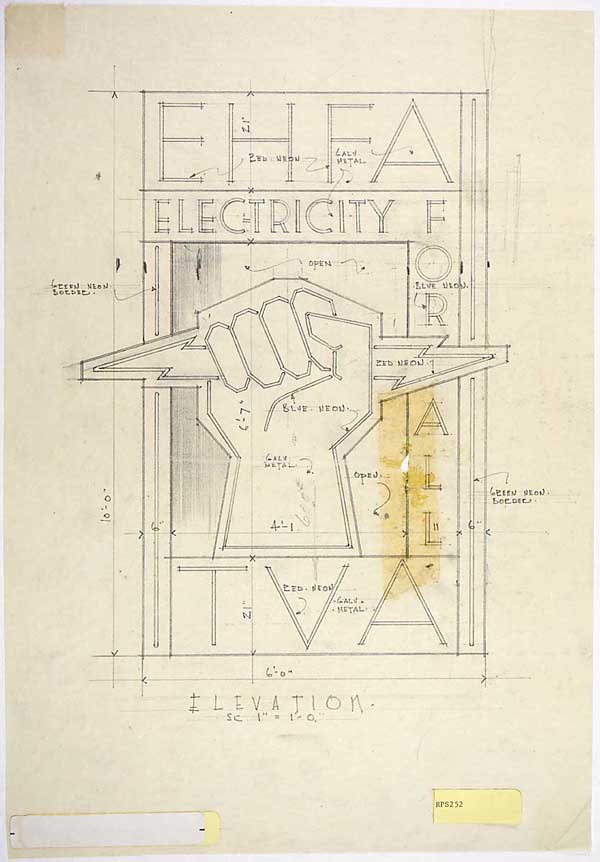 f industrial activity. Rivers, and specifically the Fall Line, were responsible for determining the site of all major southern cities from Virginia through the Carolinas, Georgia, and Alabama. While waterways offered nineteenth-century southern communities vital transportation networks and a source of mechanical power, in the twentieth century they supplied essential ingredients for major manufacturing. Through the use of hydroelectric dams, Duke Power supplied the North Carolina Piedmont with the most sophisticated power grid anywhere in America. By the 1930s, the Tennessee Valley Authority had engaged in a massive government-works project that not only tamed the damaging floods of the Tennessee River, it supplied the electricity essential to major manufacturing operations such as a munitions plant built at Muscle Shoals, Alabama, a factory that went on to produce 3/4 of all the fertilizer manufactured in America. Water and a robust power grid (along with generous tax breaks) remain an essential ingredient in attracting "sunbelt" manufacturing - plants like Mercedes Benz's Tuscaloosa facility - to the South.
Industrialization in the decades that followed the Civil War also converged with changing settlement and labor patterns in the region. Southerners of both races moved from countryside to town in order to work in new industrial jobs, and this ultimately led to conflict.
Many of the industries that flourished in the postbellum South were either extractive (harvesting the mineral or natural wealth of the land) or derivative of the natural environment (cotton mills, for instance.) Below are a few of the major types of southern industry to develop in the late nineteenth and early twentieth century. Consider the intimate links between environment, industry, and the culture that they produced.
Mining
The South is a mineral-rich region. A few industries to consider are the coal fields of southern Appalachia, particularly those found in Kentucky and West Virginia. These deposits have played a crucial role in the industrial development of the nation throughout its history, and remain vital in the context of the debate over energy versus environment. Coal mining, of course, also has left a deep imprint
 upon the cultural identity of Appalachia, the South, and the nation as a whole.
But coal mining is hardly the only mineral found in the South. Less visible in popular culture is the large kaolin mining industry in Georgia and salt in Louisiana, the nation's leading producer of salt. The region is also home to substantial deposits of iron ore, which became manifest in the building of Birmingham and its legendary Sloss Furnace. (Pictured to the right is the Vulcan statue in Birmingham, "the world's largest cast-iron statue.")
The petrochemical industry that lines the banks of the Mississippi River from New Orleans to Baton Rouge is perhaps the most lucrative mineral operation in the modern South. It comes, at a cost, however. Known as "Toxic Alley" or "Cancer Alley," the petrochemical industry leaves a large environmental footprint.
Forestry, Turpentine, and Pulp
There is perhaps no more obvious link between the environment and industry than the South's enormous forestry industry. This history of South Carolina forest products provides a good overview of the trend from naval stores (tar) in the colonial period to modern pulpwood operations in our own era. Few areas of the South do not participate in the lumber industry in some fashion.
Mills and Manufacturing
Cotton and jute mills were part of the southern landscape before the Civil War, but it was not until New South boosters encouraged northern investment in southern spools did the industry become what we know today. Cheap non-union lab
 or, low taxes, abundant resources, and industry-friendly governments meant that proximity to cotton fiber was only icing on the cake for investors. Along with tobacco villages, mining camps, and Birmingham steel-town neighborhoods, few communities are more iconic of the change of southern living from farm to town than the mill town.
Although many textile mills in the region have closed, pulp mills, like this Georgia Pacific cardboard plant near Cedar Springs, Georgia remain an essential part of a community's economic basis.
The South today is home to a wide range of manufacturing plants, both light and heavy, that came to the region in the last fifty years. Some of these facilities, like Oxford's Whirlpool plant, have faced hard times in a global economy and closed.
Monday, January 26, 2009
Southern Agriculture: Tobacco, Cotton, Sugar, & Southern Culture
Today's lecture will cover a brief survey of southern agriculture by exploring some of the ways that it has shaped the region's culture. Our examination of tobacco, cotton, and sugar by no means covers the broad and diverse expanse that is southern agriculture, but they do share parallels with other types of farming.
Tobacco
Tobacco, along with rice and indigo, were the first major cash crops to emerge in the southern colonies before the American Revolution. Second sons of the British aristocracy came to the colonial Chesapeake with visions of establishing baronial empires like their mor e fortunate relations had known in England. They created something quite different. We will look at how tobacco influenced the politics, culture, and environment of the South.
(Image at right: young women wearing tobacco costumes at the 1938 Wilson Tobacco Festival. From Blain Roberts, "A New Cure for Bright Leaf Tobacco: The Origins of the Tobacco Queen During the Great Depression," Southern Cultures 12,2: Summer, 2006.)
Early tobacco culture had a profound influence upon the rural South, and helped to establish philosophies of property ownership, labor control, agrarianism, and the iconic image of the planter elite. Yet, by the 1830s, "old tobacco," the growing of the dark-leaf variety of the plant, had largely played out in the Upper and Piedmont South. In its place came bright leaf tobacco, which not only had agricultural advantages over its dark leaf cousin, it proved far more suitable for changing global tastes in tobacco consumption. After the Civil War, production of bright leaf tobacco, combined with innovations like the Bonsack cigarette machine and the aggressive business tactics of men like James B. Duke, led to a resurgence of the weed to a level that far exceeded its colonial-era prominence.
(To the left you see an image from a baseball card collecting enthusiast's website. Duke's American Tobacco Company pioneered many advertising techniques, in this case linking sports to tobacco products.)
In many ways, tobacco remains an iconic part of the southern landscape, in spite of the passage of the title sponsorship of NASCAR from R.J. Reynolds to a cellular phone company. Later in the semester we will consider the fate of tobacco and its position in southern culture and on the southern landscape.
Cotton
Until the perfection of an efficient cotton gin by Eli Whitney in 1793, cotton was something of a marginal factor in southern agriculture. The long-staple variety grew well in the coastal regions of Georgia and South Carolina, but not inland. Nor was it nearly as profitable as rice, the crop that produced the Low Country's early fortunes. The ability to remove the tenacious seeds from the cotton lint changed all of that, however. Combine d with the advent of efficient steam power, the gin also rescued slavery. Like dark leaf tobacco, cotton wore soil out quickly. This factor drove successive waves of antebellum planters further westward into the region's "black belt" searching for rich lands that might produce high crop yields. By the 1830s, highly-capitalized planters entered the Mississippi Delta, bringing their slaves who would in a matter of decades, clear thousands of acres of some of the most productive cotton land in the world.
(Picture to the right is a working demonstration version of a Whitney-style cotton gin from the Smithsonian Institution.)
Cotton may have been king before the Civil War, but in many ways it was after the war that its cultivation became intrinsic to a broad swath of the southern people. Sharecropping had existed in some places before the Civil War, and certainly applied to other agricultural products than cotton, but it was in the years following emancipation that it became a common fixt ure on the land. The development of new chemical fertilizers, expansion of rail lines, and new forms of credit allowed for the growth of cotton in parts of the South where its cultivation was previously unknown - places like the upcountry of South Carolina and Georgia or the wiregrass of Alabama. Economics, both regional and global, ecological change, and geopolitical conflict all affected southerners who grew cotton between 1865 and the 1980s. For many, these factors produced unhappy results. In our own age, cotton has witnessed something of a resurgence. This is in no small part due to technological innovation and governmental influence, but also environmental achievements such as the boll weevil trap, pictured to the right.
Sugar
While one could make a substantial fortune in colonial times growing tobacco or rice, the big money was in Caribbean sugar production. In fact, the southern colonies that today we consider "The South" were something of a backwater outpost among British colonial possessions. The Crown realized far greater profits from the produce of Barbados than it did Virginia. Southern Louisiana represented an even greater backwater until Etienne de Bore (a future mayor of New Orleans) developed a method for granulating sugar out of the inferior juice that Louisiana cane yielded. When the crop from his plantation (now the location of Audubon Park) yielded a $14,000 profit, a new era dawned in Louisiana agriculture.
From a labor standpoint, sugar is far more intense of a crop than cotton, and that has had a direct impact upon those who work the land to produce cane. Postbellum labor unrest culminated in Louisiana in the 1887 Thibodaux Massacre.
(Young sugar cane growing in St. James Parish, Louisiana. June, 2003)
Tobacco
Tobacco, along with rice and indigo, were the first major cash crops to emerge in the southern colonies before the American Revolution. Second sons of the British aristocracy came to the colonial Chesapeake with visions of establishing baronial empires like their mor
 e fortunate relations had known in England. They created something quite different. We will look at how tobacco influenced the politics, culture, and environment of the South.
(Image at right: young women wearing tobacco costumes at the 1938 Wilson Tobacco Festival. From Blain Roberts, "A New Cure for Bright Leaf Tobacco: The Origins of the Tobacco Queen During the Great Depression," Southern Cultures 12,2: Summer, 2006.)
Early tobacco culture had a profound influence upon the rural South, and helped to establish philosophies of property ownership, labor control, agrarianism, and the iconic image of the planter elite. Yet, by the 1830s, "old tobacco," the growing of the dark-leaf variety of the plant, had largely played out in the Upper and Piedmont South. In its place came bright leaf tobacco, which not only had agricultural advantages over its dark leaf cousin, it proved far more suitable for changing global tastes in tobacco consumption. After the Civil War, production of bright leaf tobacco, combined with innovations like the Bonsack cigarette machine and the aggressive business tactics of men like James B. Duke, led to a resurgence of the weed to a level that far exceeded its colonial-era prominence.

(To the left you see an image from a baseball card collecting enthusiast's website. Duke's American Tobacco Company pioneered many advertising techniques, in this case linking sports to tobacco products.)
In many ways, tobacco remains an iconic part of the southern landscape, in spite of the passage of the title sponsorship of NASCAR from R.J. Reynolds to a cellular phone company. Later in the semester we will consider the fate of tobacco and its position in southern culture and on the southern landscape.
Cotton
Until the perfection of an efficient cotton gin by Eli Whitney in 1793, cotton was something of a marginal factor in southern agriculture. The long-staple variety grew well in the coastal regions of Georgia and South Carolina, but not inland. Nor was it nearly as profitable as rice, the crop that produced the Low Country's early fortunes. The ability to remove the tenacious seeds from the cotton lint changed all of that, however. Combine
 d with the advent of efficient steam power, the gin also rescued slavery. Like dark leaf tobacco, cotton wore soil out quickly. This factor drove successive waves of antebellum planters further westward into the region's "black belt" searching for rich lands that might produce high crop yields. By the 1830s, highly-capitalized planters entered the Mississippi Delta, bringing their slaves who would in a matter of decades, clear thousands of acres of some of the most productive cotton land in the world.

(Picture to the right is a working demonstration version of a Whitney-style cotton gin from the Smithsonian Institution.)
Cotton may have been king before the Civil War, but in many ways it was after the war that its cultivation became intrinsic to a broad swath of the southern people. Sharecropping had existed in some places before the Civil War, and certainly applied to other agricultural products than cotton, but it was in the years following emancipation that it became a common fixt
 ure on the land. The development of new chemical fertilizers, expansion of rail lines, and new forms of credit allowed for the growth of cotton in parts of the South where its cultivation was previously unknown - places like the upcountry of South Carolina and Georgia or the wiregrass of Alabama. Economics, both regional and global, ecological change, and geopolitical conflict all affected southerners who grew cotton between 1865 and the 1980s. For many, these factors produced unhappy results. In our own age, cotton has witnessed something of a resurgence. This is in no small part due to technological innovation and governmental influence, but also environmental achievements such as the boll weevil trap, pictured to the right.
Sugar
While one could make a substantial fortune in colonial times growing tobacco or rice, the big money was in Caribbean sugar production. In fact, the southern colonies that today we consider "The South" were something of a backwater outpost among British colonial possessions. The Crown realized far greater profits from the produce of Barbados than it did Virginia. Southern Louisiana represented an even greater backwater until Etienne de Bore (a future mayor of New Orleans) developed a method for granulating sugar out of the inferior juice that Louisiana cane yielded. When the crop from his plantation (now the location of Audubon Park) yielded a $14,000 profit, a new era dawned in Louisiana agriculture.
From a labor standpoint, sugar is far more intense of a crop than cotton, and that has had a direct impact upon those who work the land to produce cane. Postbellum labor unrest culminated in Louisiana in the 1887 Thibodaux Massacre.
 |
| From River Parishes 1 |
(Young sugar cane growing in St. James Parish, Louisiana. June, 2003)
Wednesday, January 21, 2009
Course Syllabus and other tidbits
Welcome to Southern Studies 102!
You may now find a copy of the syllabus posted to Blackboard. You may notice that we have had a late-breaking book change. We will no longer be using Life and Death in the Delta and will instead be using Catfish and the Delta. You may go ahead and return Life and Death and buy Catfish when it comes in. You may also find an inexpensive used copy of Catfish and the Delta on Amazon. Here is a link.
Take a minute to look at a few of the features of this course blog. It is something that you will be using frequently in this course. To the right you will find a Google Calendar for this course. If you are the organized type and use Google Calendar for your personal appointments, you will be able to add SST 102's calendar to your other events. If you use iCal, you can import it using a link.
At some point in this course you will be using Google Blogger to produce a photo essay. If you do not have a gmail account at this point, it would be a good idea to acquire one.
Subscribe to:
Posts (Atom)